



How to test a cr2032 battery
The CR2032 battery, a ubiquitous coin-shaped lithium power source, is widely used in everyday devices such as watches, remote controls, key fobs, and medical sensors. Its compact size, 3-volt output, and long shelf life make it a reliable choice for low-drain applications. However, like all batteries, its performance degrades over time, leading to unreliable functionality in critical devices. Testing a CR2032 battery is essential to ensure it still holds sufficient charge, preventing unexpected failures. This article provides a step-by-step guide on how to test a CR2032 battery, highlights key precautions, and concludes with actionable insights for users.
How to Test a CR2032 Battery
Testing a CR2032 battery requires minimal tools and can be done quickly at home. Below are three effective methods to assess its voltage and overall health:
1.Using a Digital Multimeter (Recommended Method)
A digital multimeter (DMM) is the most accurate tool for measuring a CR2032 battery’s voltage. Here’s how to use it:
Step 1: Set the multimeter to the DC voltage mode (typically marked as “V” with a straight line).
Step 2: Adjust the range to 20V or lower, as CR2032 batteries operate at 3V.
Step 3: Touch the multimeter’s red (positive) probe to the battery’s “+” side and the black (negative) probe to the “-” side.
Step 4: Read the voltage displayed on the screen. A fully charged CR2032 battery should read between 2.8V and 3.0V. If the voltage is below 2.5V, the battery is likely depleted and should be replaced.
This method provides precise results and is ideal for verifying whether a CR2032 battery meets the voltage requirements of sensitive electronics.
2.Using a Battery Tester
A dedicated battery tester simplifies the process, especially for those unfamiliar with multimeters. Follow these steps:
Step 1: Insert the CR2032 battery into the tester’s designated slot, ensuring the polarity (positive and negative sides) matches the markings.
Step 2: The tester will display a voltage reading or a “good/bad” indicator. Some models also show remaining capacity as a percentage.
Step 3: Replace the battery if the tester indicates low voltage or insufficient charge.
Battery testers are user-friendly and portable, making them a convenient option for quick checks.
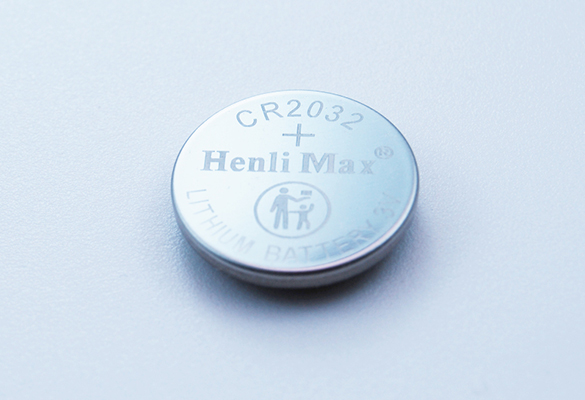
3.Observing Physical and Functional Signs
While less precise, physical and functional tests can offer clues about a CR2032 battery’s condition:
Visual Inspection: Check for signs of leakage, corrosion, or swelling. A damaged casing indicates chemical leakage, rendering the battery unsafe for use.
Device Performance: If a device (e.g., a watch or remote) stops working or operates intermittently, replace the CR2032 battery, as these devices often fail when voltage drops below 2.5V.
Weight Test: A depleted CR2032 battery may feel lighter than a new one due to reduced internal material. However, this method is subjective and unreliable for accurate testing.
Precautions When Testing a CR2032 Battery
Testing a CR2032 battery involves handling small components and electrical tools, so safety is paramount. Keep the following precautions in mind:
Avoid Short-Circuiting: Never let the positive and negative sides of the battery touch metal objects (e.g., keys or coins), as this can cause a short circuit, leading to overheating or leakage.
Looking For Reliable CR Series Button Battery Manufacturer?
Yufeng Battery operates under brand Henli Max, a national little giant factory specializing in full-range Li/MnO₂ CR Button Batteries. We develop high pulse discharge cells with -30℃~85℃ wide temperature performance, widely used in ESL, smart security, medical instruments and automotive electronics, full OEM & ODM customization available.
Use Proper Tools: Always use a multimeter or battery tester designed for low-voltage applications. Incorrect tools may damage the battery or provide inaccurate readings.
Dispose of Depleted Batteries Safely: CR2032 batteries contain lithium and other chemicals. Recycle them at designated facilities instead of throwing them in the trash.
Store Batteries Properly: Keep unused CR2032 batteries in a cool, dry place away from direct sunlight. Extreme temperatures can degrade their performance.
Handle with Clean Hands: Oil or dirt on the battery’s surface can interfere with voltage readings. Wipe the battery with a clean cloth before testing.
Conclusion
Testing a CR2032 battery is a straightforward process that ensures your devices function reliably. Whether using a multimeter, battery tester, or observational methods, verifying the voltage and physical condition of a CR2032 battery helps avoid unexpected failures. Always prioritize safety by avoiding short circuits, using appropriate tools, and disposing of batteries responsibly. By following these guidelines, users can maximize the lifespan of their CR2032 batteries and maintain the efficiency of their electronics. Regular testing is a small yet critical step in managing the performance of these tiny but mighty power sources.