



Are 1616 and 1620 batteries the same
You need to know the core differences between coin cells. A CR1616 battery measures 1.6 mm thick with a capacity of 50-55 mAh. A CR1620 battery measures 2.0 mm thick with a capacity of 65-80 mAh. Both offer 3.0V output and a 16.0 mm diameter. The 0.4 mm size variation prevents strict interchangeability between them.
Key Takeaways
CR1616 and CR1620 batteries share the same 3.0V output and 16 mm diameter.
The thicker CR1620 battery holds more energy and lasts longer than the CR1616.
You must not swap these batteries because improper fitting can damage your device.
CR1616 Battery vs CR1620 Specifications
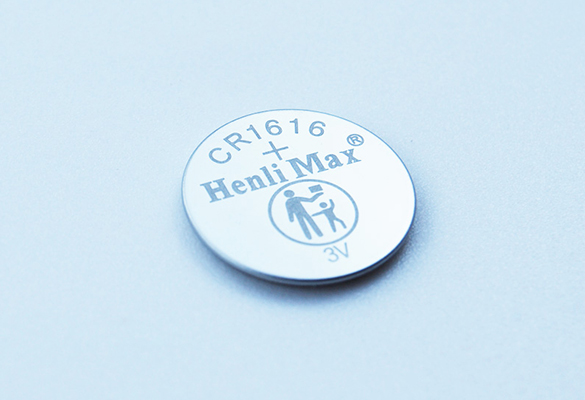
IEC Naming and Dimensions
You can easily decode coin cell names by learning the standard system from IEC 60086-3. The standard uses a simple numerical method for round coin batteries. The first two digits show the battery outer diameter in millimeters. The last two digits state the total battery height in tenths of a millimeter. This standardized naming convention ensures clear identification across global manufacturers.
You can apply this precise rule directly to identify specific button cell sizes. The prefix letters state the chemical system, while the numbers define exact physical dimensions. Knowing these exact measurements helps you select the correct battery for your small electronic devices.
Battery Model | Diameter (mm) | Thickness (mm) | IEC Naming Meaning |
|---|---|---|---|
CR1616 | 16.0 | 1.6 | 16 mm diameter and 1.6 mm thickness |
CR1620 | 16.0 | 2.0 | 16 mm diameter and 2.0 mm thickness |
Voltage and Li/MnO2 Chemistry
You receive steady electrical power from both coin cells because they share identical internal chemistry. The letters "CR" signify a Lithium Manganese Dioxide (Li/MnO2) chemical composition. This advanced battery chemistry delivers a stable nominal output of 3.0V during active device operation. The internal active materials maintain steady energy flow throughout daily use.
You can rely on this steady nominal 3.0V supply for sensitive modern electronics. The Lithium Manganese Dioxide formula provides consistent voltage output throughout its functional service life. Your electronic equipment maintains optimal operational efficiency until the power cell fully depletes. Selecting a quality CR1616 battery gives your sleek electronic key fobs continuous power without unexpected voltage drops.
Physical and Performance Differences
Thickness and Energy Capacity
You can spot the main physical distinction between these two button cells by examining their height dimensions. Both power cells share an identical outer diameter measuring 16.0 mm. However, the CR1620 battery features a 2.0 mm vertical profile, while a CR1616 battery measures exactly 1.6 mm thick. This creates a precise dimensional variation of 0.4 mm between the two options.
Battery Model | Thickness (mm) | Energy Capacity (mAh) |
|---|---|---|
CR1616 | 1.6 | 50–55 |
CR1620 | 2.0 | 65–80 |
The extra 0.4 mm of vertical space inside the cell casing creates room for additional internal active chemical materials. Adding active chemical volume directly expands total energy storage without altering overall battery width. The standard 1.6 mm cell provides an energy capacity between 50 and 55 mAh. Meanwhile, the thicker 2.0 mm version holds an expanded capacity ranging from 65 to 80 mAh. This physical alteration delivers greater overall energy reserves for your small electronic equipment.
You gain longer operational periods when using a coin cell with higher energy capacity. Total energy capacity measures the available electric charge stored inside the steel battery casing. Devices drawing steady electrical currents drain lower capacity options much faster. The slender 1.6 mm model fits ultra-compact equipment housings requiring minimal power source thickness. Selecting the correct energy profile prevents sudden power losses in essential daily electronics.
Operational Lifespan and Discharge
The higher capacity of the 2.0 mm cell translates directly into longer operational service lifespan for your electronic equipment. Both cells maintain a steady nominal 3.0V supply during active operation because they share identical chemical compounds. However, the increased milliamp-hour capacity lets your devices operate longer between battery changes. Portable electronics like car key fobs consume energy during each button press, so extra active chemical volume extends device utility and total operational life.
Discharge behavior remains stable across both battery profiles under normal working conditions. Advanced Lithium Manganese Dioxide chemistry grants both sizes a very low self-discharge rate. You can store these coin cells for extended shelf periods without experiencing severe energy degradation. The constant 3.0V output preserves smooth device functionality until complete energy depletion occurs. However, the 2.0 mm option sustains stable operating voltage levels across significantly more continuous operational cycles.
You must evaluate individual device power needs before selecting your replacement power source. Slim medical instruments demand low-profile power cells to maintain compact physical designs. Meanwhile, high-frequency keyless entry remotes require maximum energy capacity to send long-range signals reliably. Matching device power consumption with the correct operational lifespan guarantees consistent performance and eliminates frequent battery replacements in your daily routine.
Interchangeability and Fitment Risks
You might consider swapping these coin cells during an urgent battery replacement project. However, physical dimensions dictate proper electronic fitment. You cannot freely swap a CR1616 battery with a CR1620 battery despite their matching nominal voltage output. Understanding physical fitment risks prevents unnecessary equipment damage.
Poor Contact with Thinner Cells
Inserting a thinner power cell into a deep compartment creates severe connection problems. Electronic devices rely on continuous physical contact between metallic terminal springs and external battery surfaces. The missing vertical bulk prevents the internal terminal pins from pressing firmly against the cell face.
A holder designed for a CR1620 expects this height [2.0 mm] for proper contact pressure. If a thinner CR1616 is used in such a holder, the reduced thickness can lead to weak or intermittent contact, or the device may fail to operate.
The precise dimensional difference alters mechanical tolerance inside the battery compartment. You can review how this thickness gap affects connection stability in the following comparison table:
Battery Type | Thickness | Fitment Issue in CR1620 Holder |
|---|---|---|
CR1620 (intended) | 2.0 mm | Proper contact pressure maintained |
CR1616 (substitute) | 1.6 mm | Reduced thickness leads to weak or intermittent contact, or device failure to operate |
Your small electronics lose operational power when the internal battery shifts position inside the compartment. Gentle drops or normal daily movement cause the loose cell to break connection with delicate terminal contacts. Consequently, keyless car remotes stop transmitting signals and digital screens reset unexpectedly during active use. You must use the full height cell to keep unbroken energy flow throughout daily operation.
Physical Damage from Thicker Cells
Forcing a thicker coin cell into an ultra-slim compartment causes immediate mechanical stress. You encounter resistance when pushing a 2.0 mm thick battery into a slot built for a 1.6 mm model. Excessive force damages internal components and ruins delicate plastic housings. The documented risks of forcing a thicker CR1620 battery into a CR1616 holder include:
Bent or broken battery contacts due to the physical pressure from the 0.4mm thickness difference.
Damage to the device's casing or housing as a result of the forced fit.
Metal contact tabs bend beyond their elastic limits under heavy surface pressure. Bent contact pins lose their original spring tension permanently. Therefore, the contact pins cannot touch future replacement batteries correctly.
Furthermore, squeezed plastic battery doors warp or crack under extreme structural tension. Small plastic latching clips snap off entirely during forced assembly. You risk permanently destroying expensive car fobs or delicate medical monitors by ignoring correct battery depth specifications. Always check and match physical battery height with original factory requirements before installation.
Common Device Applications
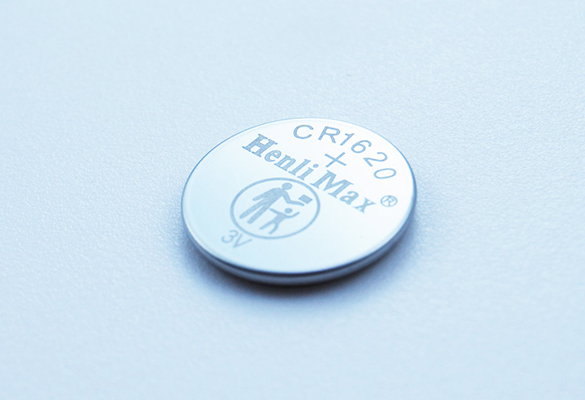
Unique Applications for CR1616 Battery
You find ultra-compact power sources inside modern slim electronics. Battery compartments with a minimum depth of 1.6 mm require these thin coin cells. High-performance options like the HENLI MAX CR1616 battery feature a low self-discharge rate and a long shelf life. Its leak-resistant design safeguards sensitive internal electronic components during daily operation.
Device Category | Specific Consumer Electronics | Supported Automotive Brands |
|---|---|---|
Automotive Remotes | Keyless entry key fobs | Volkswagen, Audi |
Compact Electronics | IoT devices, watches, calculators | N/A |
Personal & Healthcare | Fitness trackers, digital thermometers, medical instruments | N/A |
You can trust a high-performance CR1616 battery for everyday devices that demand a slender physical profile without extra bulk. Slim medical instruments and sleek wristwatches rely on this precise size to maintain comfortable, lightweight designs.
Typical Uses for CR1620 Battery
You must choose a thicker coin cell when your electronic equipment features a battery compartment depth of at least 2.0 mm. Devices with higher continuous energy demands rely heavily on this expanded 2.0 mm profile to achieve longer service lifespans and steady power.
You encounter these thicker cells across many common consumer products:
Automotive & Security: Renault key cards, car alarm remotes, garage door openers, and key fobs for Jaguar or Land Rover.
Wearables & Personal Electronics: Slim digital watches, pedometers, fitness trackers, and heart rate monitors.
Household & Medical Devices: Digital thermometers, glucose meters, electronic calculators, kitchen scales, and small TV remotes.
You maintain continuous device power by carefully matching your equipment specifications with the exact required battery thickness. Checking your original device manual ensures optimal long-term operational performance and reliable usage.
Always replace any coin cell with its exact dimensional match. Substituting a CR1616 battery into a deeper slot creates loose electrical contact. Forcing a thicker cell into a smaller compartment bends contact pins and cracks battery housings. You should check your device manual or old cell casing markings before buying replacements.
FAQ
Can you use a CR1616 battery in place of a CR1620?
No, you cannot swap them safely. The 1.6 mm CR1616 battery sits loosely in a 2.0 mm slot, causing weak electrical contact and operational failure.
Do CR1616 and CR1620 batteries share the same voltage?
Yes, both coin cells deliver a stable 3.0V output. They share identical Lithium Manganese Dioxide chemistry, but they differ in overall thickness and capacity.
How do you check which button cell your device needs?
You can inspect the markings on your old battery casing. Alternatively, read your device user manual to confirm the correct dimensional specifications before buying a replacement.