



Are CR1220 and CR1216 interchangeable
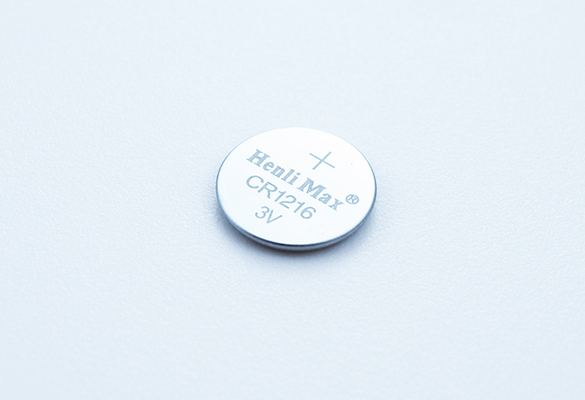
CR1220 and CR1216 batteries are not interchangeable. Their thickness difference makes them incompatible. Both batteries share a 12.5mm diameter, but the CR1216 battery measures 1.6mm thick, while the CR1220 reaches 2.0mm. That 0.4mm gap matters more than you might think.
Imagine stacking coins. A dime and a penny have different heights. If your device's slot fits a dime, a penny won't sit flush. The same principle applies here. A thicker CR1220 forced into a thin slot creates poor contact. Your device may flicker, fail, or suffer damage.
This article explains the key differences between these batteries, the risks of using the wrong one, and how to select the correct power source for your device. You'll learn exactly what to check before making a purchase.
Key Takeaways
CR1220 and CR1216 batteries are not interchangeable due to a 0.4mm thickness difference.
Using the wrong battery can cause poor contact, device failure, or leakage.
Always check the exact model number on your old battery or device manual before buying a replacement.
The CR1220 has higher capacity (40mAh) than the CR1216 (25mAh), but fit matters more than capacity.
Match the full battery code to ensure proper fit and avoid damage.
CR1216 battery vs CR1220: Not Interchangeable
The Thickness Factor
The core problem comes down to one measurement: thickness. Both batteries share the same 12.5mm diameter, so they look nearly identical at a glance. But the vertical dimension tells a different story. The CR1216 battery measures 1.6mm thick, while the CR1220 reaches 2.0mm. That difference of 0.4mm might seem tiny, yet it changes everything about how the battery fits inside your device.
Battery Model | Thickness (mm) |
|---|---|
CR1216 | 1.6 |
CR1220 | 2.0 |
Think about a battery compartment as a precise slot machined to hold one specific size. The contacts inside that slot press against the battery's top and bottom surfaces. When you insert a CR1220 into a slot designed for a CR1216 battery, the extra 0.4mm pushes those contacts too far apart. The holder cannot establish proper contact because the dimensional change exceeds what the spring contacts can accommodate. You might force the battery in with extra pressure, but that pressure works against you. The compartment was never built to absorb that much extra height.
According to technical guidelines for battery equivalents, a 0.4mm thickness difference is significant. This dimensional change can make it difficult for the battery holder to establish proper contact, potentially causing poor electrical connectivity. Additionally, the same discrepancy may introduce physical stress on the holder or, in more severe cases, prevent the battery from being inserted at all. You may find yourself pushing harder, bending the contacts, or damaging the retention clips that hold the battery in place.
Why Fit Matters for Device Safety
Proper fit is not about convenience. It is about safety and reliable operation. The CR series batteries feature leak-proof construction and robust safety mechanisms, but those protections assume correct installation. When you force a thicker battery into a thin slot, you compromise the entire system.
Consider what happens with poor contact. The device may power on intermittently, flicker, or fail to respond altogether. You might tap the device and watch it work for a moment, then die again. That unstable connection frustrates you and masks the real problem. The battery is fine. The device is fine. The mismatch between them creates the failure.
Forcing a thicker battery into a thinner slot creates excessive pressure. That pressure can damage the battery contacts or the device's internal structure. You might bend a contact arm, crack a solder joint, or deform the plastic housing. Once that damage occurs, even the correct battery may no longer fit properly. You turn a simple battery replacement into a repair job.
The safety risks extend beyond mechanical damage. Consider these points:
Match the full battery code - Always match the full battery code, not just the diameter. Even if the diameter is the same, the thickness and contact pressure may be different.
Risk of poor contact - Using a thinner cell in a thicker slot may create poor contact pressure, intermittent power loss, or unstable operation.
Safety warning - Choosing the wrong battery can cause poor performance, unstable contact, device failure, leakage risk, or overvoltage damage.
Practical checklist - Before selecting a coin cell, check thickness and diameter, and avoid replacing primary lithium cells with rechargeable lithium-ion cells unless allowed.
The CR series batteries perform reliably across a wide temperature range, from -20°C to 60°C. They maintain a stable voltage throughout their life. But those engineering advantages mean nothing when the battery cannot sit correctly in its compartment. A loose connection defeats the battery's design. The leak-proof construction cannot help you if the contacts never touch the terminals properly.
You might wonder if the 0.4mm gap really matters that much. It does. The difference between 1.6mm and 2.0mm is exactly the kind of tolerance that engineers design around. Your device's battery compartment was built with specific dimensions in mind. Deviating from those dimensions invites problems. Match the exact model number printed on your old battery or listed in your device manual. That simple step protects your device and ensures reliable power.
Key Differences Between CR1216 and CR1220
Dimensions and Capacity
Both batteries share a 12.5mm diameter and a 3V nominal voltage. They use the same lithium manganese dioxide chemistry. The 'C' prefix tells you these are non-rechargeable cells. The real difference lies in thickness and energy storage.
The CR1216 battery measures 1.6mm thick. The CR1220 reaches 2.0mm. That extra 0.4mm gives the CR1220 room for more active material. More active material means higher capacity. The table below shows the typical capacity ratings:
Battery Model | Typical Capacity (mAh) |
|---|---|
CR1216 | 25 |
CR1220 | 40 |
The CR1220 holds 60% more energy than the CR1216 battery. That extra capacity can power a device longer between replacements. But you cannot use a CR1220 in a slot designed for a CR1216. The thickness difference prevents proper contact. The CR1216 battery fits slots with strict vertical space limits. The CR1220 requires a slightly deeper compartment. Always check the device's battery compartment for the exact model number.
Performance and Compatibility Notes
The CR series delivers high energy density and stable voltage throughout its life. Both batteries maintain a flat discharge curve. This stability matters for precision devices like watches and medical tools. The shelf life is exceptional. You can store these batteries for up to five years and still retain about 90% of the original charge. The leak-proof construction and wide operating temperature range (-20°C to 60°C) add to the reliability.
Compatibility depends on the device's design. The CR1220 is more versatile because it appears in many common applications. But it is not universal. The table below shows typical device matches:
Device Category | Recommended Battery | Key Reason |
|---|---|---|
Ultra-thin wearable devices | CR1216 | Strict vertical space limits require the thinner 1.6mm profile. |
Watches, calculators, memory backup modules | CR1220 | Balanced size and capacity make it a general-purpose choice. |
Keyless entry devices, remote controls | CR1220 | CR1220 is standard for these applications. |
Compact sensors, small backup circuits | CR1216 | Designed for space-limited, low-power electronics. |
Small toys, LED accessories | CR1220 | Higher capacity helps runtime, but physical fit must be verified. |
You see the pattern. Devices with tight vertical space use the CR1216. Devices with a bit more room use the CR1220 for its higher capacity. Never guess. Check the old battery or the device manual. Matching the exact model ensures reliable power and avoids damage.
Risks of Using the Wrong Battery
Poor Contact and Device Failure
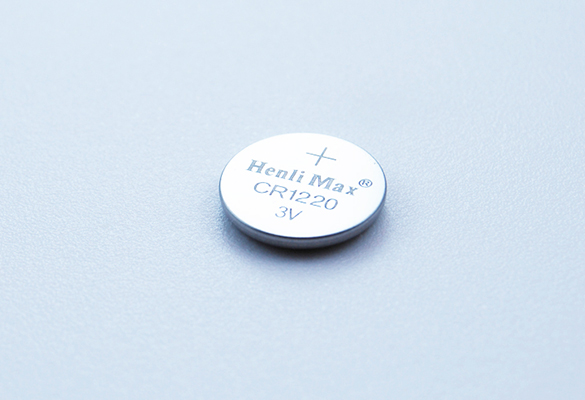
You insert a CR1220 into a slot built for a CR1216 battery. The extra 0.4mm thickness pushes the contacts apart. The battery cannot sit flush. The connection becomes loose and unreliable. Your device may power on for a moment, then die without warning. You tap it, and it works again. Then it stops. This frustrating pattern points to one root cause: poor electrical contact.
Loose connections create serious problems beyond simple annoyance. The evidence from electrical systems shows several failure modes:
Loose connections cause overheating, voltage fluctuations, system shutdowns, and damage to cables or charging equipment.
Corrosion creates high-resistance connections that generate excessive heat, cause voltage drops, and lead to charger malfunction or electrical arcing.
Vibration and movement loosen electrical connections over time, compounding intermittent power issues.
A shifting battery loosens terminal connections. This causes inconsistent voltage delivery, random power losses, flickering lights, and unexpected shutdowns. These symptoms often get misdiagnosed as sensor failures or wiring problems. You might replace parts that work perfectly fine. The real culprit sits loose in the battery compartment.
Sudden voltage drops from a bouncing battery mimic failing sensors. Technicians chase ghost codes that disappear once the battery sits secure. In cold weather, poor terminal contact prevents even a healthy battery from delivering enough power. Your device refuses to start. You blame the battery. The battery is fine. The fit is wrong.
The charging system compensates for loose connections by working harder. This adds heat and stress. Premature failure follows. You turn a simple battery swap into a costly repair. All because you chose the wrong thickness.
Leakage and Damage Risks
The CR series batteries feature leak-proof construction. That design protects against normal use. Forcing a thicker battery into a thin slot creates abnormal conditions. The pressure on the battery case increases. The contacts bend. The housing deforms. These conditions stress the battery beyond its design limits.
Misuse can lead to battery leakage despite the leak-proof design. The seal works when the battery sits correctly. A forced fit compromises that seal. You risk corrosive material escaping into your device. That damage is permanent. Circuit boards corrode. Contacts dissolve. The device becomes unusable.
Physical damage also occurs. You might bend a contact arm while forcing the battery into place. You might crack a solder joint on the circuit board. You might deform the plastic housing that holds everything together. Once that damage happens, even the correct CR1216 battery may no longer fit properly. You have turned a simple replacement into a repair job.
Safety matters more than convenience. The CR series operates reliably from -20°C to 60°C. It maintains stable voltage throughout its life. But those engineering advantages assume correct installation. A loose connection defeats the battery's design. The leak-proof construction cannot help when contacts never touch properly.
The rule is simple: match the exact model number printed on your old battery or listed in your device manual. Never guess. Never force.
You might think the 0.4mm difference seems small. It is not. Engineers design battery compartments with specific tolerances. Deviating from those tolerances invites problems. The CR1216 battery fits slots with strict vertical space limits. The CR1220 requires a deeper compartment. Respect those limits. Your device depends on it.
Check the battery compartment before purchasing a replacement. Look for the model number. If you cannot find it, consult the device manual. When in doubt, ask a professional. The few extra minutes of checking save you from expensive damage and frustrating failures.
How to Choose the Correct Battery
Check Your Device's Specifications
Start with the device manual. The manual lists the exact battery model you need. You can also check the old battery itself. The model number appears printed on the face of the cell. Look for markings like CR1216 or CR1220. Never guess based on size alone.
Follow these steps to identify the right battery:
Identify the battery type – Check the device manual, the existing battery, or look up the device model online. The battery number is printed on the face of the cell.
Open the battery compartment – Most compartments have a small slot for a coin or flat screwdriver. Turn the cover to the unlock symbol and slide or pop it out.
Note the orientation – Before removing the old battery, note which side faces up (usually the positive/+ side). Take a photo if unsure.
Remove the old battery – Use a plastic pry tool or toothpick to pop the cell out without touching contacts with metal tools.
Install the new battery – Match the orientation, press in until it seats, and you'll often feel a slight click.
Test the device – If it doesn't work, try pressing a button or reinitializing, as some devices need a brief reset after battery replacement.
Understanding the battery code helps you decode what you see. The table below explains each part:
Code Component | Meaning | Example (CR2032) |
|---|---|---|
First two letters | Chemistry type (e.g., CR = lithium) | CR |
First two digits | Diameter in millimeters | 20 mm |
Last two digits | Thickness in tenths of a millimeter (place decimal before last digit) | 32 → 3.2 mm |
This decoding rule applies to all common coin cell sizes. A CR2025 has a thickness of 2.5 mm. A CR2016 has a thickness of 1.6 mm. Knowing both diameter and thickness ensures a proper fit in any device.
Finding Reliable Replacements
Purchase from reputable manufacturers. Authentic CR series batteries meet strict quality standards. They feature leak-proof construction and reliable performance. Counterfeit batteries may look identical but fail quickly or leak.
The CR1220 appears more common in stores. Its higher capacity makes it popular. But common does not mean universal. A CR1220 cannot replace a CR1216 battery in a device designed for the thinner cell. The 0.4mm thickness difference prevents proper contact. You risk device failure and damage.
Consider your usage pattern. For daily-use devices, you might prefer a battery with higher capacity. For emergency devices, stick with primary cells. A CR2032 in a car key fob may last 4–5 years with intermittent use. An active device like an Apple AirTag may only last about a year. Match the battery to your device's demands.
Think about the environment too. For extreme temperatures, lithium batteries work best. For precision instruments, silver oxide provides stable voltage. The CR series operates reliably from -20°C to 60°C. That range covers most everyday situations.
Always match the exact model number. If you cannot find the number, consult the device manual. When unsure, ask a professional. The few extra minutes of checking save you from expensive damage and frustrating failures.
These two batteries are not interchangeable. The 0.4mm thickness difference creates real problems. A loose connection causes poor contact, device failure, or leakage. You can avoid these risks by checking your device's specifications. Look for the exact model number printed on your old battery. Confirm the number before buying a replacement.
Always match the exact model number. If you cannot find it, consult the device manual or ask a professional.
Have you ever used the wrong battery in a device? Share your experience in the comments below. Ask questions if you need help choosing the right cell.
FAQ
Can I use a CR1220 instead of a CR1216?
No. The CR1220 measures 2.0mm thick, while the CR1216 measures 1.6mm. That 0.4mm difference prevents proper contact in a slot designed for the thinner cell. Your device may fail to power on or work intermittently. Always match the exact model number.
What happens if I force a thicker battery into my device?
Forcing a CR1220 into a CR1216 slot bends the contact arms and stresses the housing. Poor contact leads to flickering power or complete failure. You might also damage the compartment permanently. Once bent, even the correct battery may not fit properly again.
How do I know which battery my device needs?
Check the old battery's face for the printed model number. You can also consult your device manual or look up the model online. The code tells you everything: "CR" means lithium chemistry, the first two digits indicate diameter in millimeters, and the last two digits show thickness in tenths of a millimeter.
Where should I buy replacement batteries?
Purchase from reputable manufacturers or authorized retailers. Authentic CR series batteries feature leak-proof construction and reliable performance. Counterfeit cells may look identical but fail quickly or leak corrosive material. Check customer reviews and verify the seller's reputation before ordering.
Why does the CR1220 have a higher capacity?
The CR1220's extra 0.4mm thickness provides room for more active material inside the cell. That additional material stores more energy, giving the CR1220 roughly 40mAh compared to the CR1216's 25mAh. However, higher capacity does not make it compatible with every device.