



How long should a CR1620 battery last
You might wonder how long a CR1620 battery lasts in your devices. The answer depends on how you use it. This battery works for 2 to 3 years in low-drain devices like watches or calculators. For high-pulse devices such as car key fobs, the lifespan drops significantly. Proper storage helps it retain about 90% of its charge after 10 years. Its total shelf life reaches up to 10 years. Several factors affect its longevity. Temperature, discharge rate, and storage conditions all play a role. You can extend its life by keeping the battery in a cool, dry place. Avoid extreme heat and humidity to maximize performance. A CR1620 battery powering a watch will last much longer than one in a key fob used daily.
Key Takeaways
A CR1620 battery lasts 3-4 years in low-drain devices like watches and calculators.
In high-pulse devices such as key fobs, expect only 6 months to 2 years of use.
Store batteries in a cool, dry place to preserve up to 90% of charge for 10 years.
Avoid counterfeit batteries; choose genuine brands for reliable performance and safety.
Match your battery expectations to your device's power needs to avoid unexpected failures.
CR1620 Battery Specifications
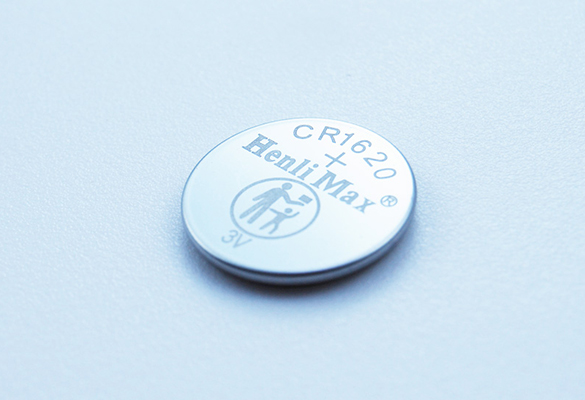
Voltage, Capacity, and Chemistry
To get the most from your CR1620 battery, start by understanding its core specifications. This battery operates at a nominal voltage of 3.0 volts. Its capacity typically falls between 75 and 81 milliampere‑hours (mAh). Different manufacturers produce slightly different capacities. For example, Panasonic rates theirs at 75 mAh, while Energizer achieves up to 81 mAh. This energy density allows the CR1620 to power small devices for years.
The chemistry of this battery is lithium manganese dioxide (Li/MnO₂). This chemistry provides a stable discharge voltage throughout most of the battery’s life. Stability is crucial for devices like watches and medical instruments that require consistent power. The chemistry also has an impressively low self‑discharge rate. This means the battery loses very little energy when not in use. Low self‑discharge directly contributes to the battery’s long shelf life.
Now consider the physical dimensions. The CR1620 measures 16.0 millimeters in diameter and 2.0 millimeters in thickness. This compact size fits into tight compartments in key fobs, calculators, and remote controls. Knowing these numbers helps you confirm the battery fits your device before purchasing.
Self‑Discharge and Shelf Life
Shelf life depends heavily on storage conditions. When you store a CR1620 battery at the recommended temperature range of 15–25 °C (59–77 °F), it can last up to 10 years. The battery’s self‑discharge rate is remarkably low, about 1% per year. This means after 10 years of storage, the battery still retains approximately 90% of its original charge.
To put this in perspective, here is a quick overview of the CR1620’s shelf life metrics:
Metric | CR1620 Value |
|---|---|
Shelf Life (at 15–25 °C) | Up to 10 years |
Self‑Discharge Rate | ~1% per year |
Capacity Retained After 10 Years | ~90% |
Capacity | ~75–81 mAh |
Diameter | 16.0 mm |
Thickness | 2.0 mm |
This table shows you what to expect from a fresh battery stored properly. If you keep the battery in a cool, dry place away from direct sunlight, you can rely on its long shelf life.
How does the CR1620 compare to other common button cells? Its capacity is balanced for its size. The thinner CR1616 has only 50–55 mAh, about 30% less energy. The thicker CR1632 offers 120–130 mAh but is 3.2 mm thick, so it will not fit in a CR1620 slot. The larger CR2032 has a different diameter (20 mm) and is incompatible. Therefore, always check your device’s battery compartment dimensions before substituting.
Understanding these specifications helps you plan for battery replacements. For instance, if you buy a pack of CR1620 batteries for storage, you can keep them for years without significant loss. This knowledge gives you confidence in your power source.
CR1620 Battery Lifespan in Devices
The real-world lifespan of a CR1620 battery depends almost entirely on the device you place it in. Different devices draw power in different ways. Some need a steady, tiny trickle of energy. Others demand sudden, powerful bursts. Understanding this distinction helps you predict how often you will need replacements.
Low-Drain Applications (Watches, Calculators)
Low-drain devices consume very little power over time. A wristwatch, for example, uses a small amount of energy to move its hands or update its digital display. A calculator only draws power when you press buttons or perform calculations. Medical devices like glucose monitors also fall into this category because they operate with minimal current.
In these applications, the CR1620 battery delivers impressive longevity. You can expect 2 to 3 years of reliable service under normal use. This extended lifespan makes the battery a popular choice for manufacturers who want their products to run for years without maintenance.
It can last 2 to 3 years in devices that don't use a lot of power, like watches.
This estimate aligns with real-world experience. A watch worn daily, checked frequently, and exposed to normal room temperatures will typically exhaust its battery within this window. The exact duration depends on the watch's features. A simple analog watch with no backlight or alarm will stretch the battery further. A digital watch with an illuminated display, hourly chime, or stopwatch function will drain it faster.
You can extend this lifespan by choosing devices with power-saving features. Many modern watches enter a sleep mode when idle. Some calculators shut off automatically after a period of inactivity. These features reduce the average current draw and allow the battery to last closer to the upper end of its range.
High-Pulse Applications (Key Fobs, Remote Controls)
High-pulse devices present a completely different challenge. Car key fobs and remote controls sit idle most of the time. When you press a button, however, they draw a short, high-current burst to transmit a radio signal. This pulse can be several times stronger than the steady draw of a watch.
This demanding usage pattern shortens the CR1620 battery lifespan dramatically. You might only get a much shorter lifespan from a single battery in these applications. The higher discharge rate stresses the chemistry and depletes the stored energy more quickly.
Consider how often you use your car key fob. If you lock and unlock your vehicle several times daily, you will experience the shortest possible lifespan. If you drive infrequently or use a physical key most of the time, the battery may last longer. Remote controls for televisions or garage doors follow the same pattern. Heavy daily use accelerates depletion, while occasional use preserves the battery.
The frequency of use matters more than the type of device. A key fob used frequently will exhaust its battery faster than one used infrequently. Similarly, a remote control for a rarely used appliance will outperform one used regularly.
You should also consider environmental factors. Extreme temperatures, both hot and cold, increase the internal resistance of the battery. This forces the chemistry to work harder during each pulse, reducing overall capacity. Parking your car in direct sunlight during summer or leaving it outside during winter can shorten the battery's life further.
The key takeaway is simple. Match your expectations to your usage patterns. A CR1620 battery in a watch offers years of service. The same battery in a frequently used key fob may need replacement within months. Always keep a spare on hand for high-pulse devices, and monitor performance regularly to avoid unexpected failures.
Comparing CR1620 with Similar Batteries
CR1620 vs. CR2032
You see many button batteries that look similar. The CR1620 and CR2032 both use the same 3V lithium manganese dioxide chemistry. Their physical sizes differ greatly. The CR1620 measures 16.0mm in diameter and 2.0mm in thickness. This compact size fits perfectly into slim devices like watches, calculators, and small remote controls. The CR2032 is much larger at 20.0mm diameter and 3.2mm thickness. It holds about 220mAh of capacity, nearly three times the CR1620's 75mAh.
You cannot swap these batteries freely. The different diameters prevent a CR2032 from fitting into a CR1620 compartment at all. Even if the diameter matches, thickness creates problems. A device designed for a 2.0mm battery will not close properly with a 3.2mm battery. You might damage the battery contacts or the device itself. Always check your device manual before purchasing a replacement. The voltage remains consistent at 3V across both types. This means electrical compatibility is not a concern when sizes match.
Specification | CR1620 | CR2032 |
|---|---|---|
Diameter | 16.0mm | 20.0mm |
Thickness | 2.0mm | 3.2mm |
Typical Capacity | ~75mAh | ~220mAh |
CR1620 vs. CR1616
The CR1616 looks almost identical to the CR1620. Both batteries share a 16.0mm diameter. The thickness differs significantly. The CR1616 measures only 1.6mm thick compared to the CR1620's 2.0mm. This thinner design holds less energy. The CR1616 typically offers 50-55mAh of capacity. The CR1620 provides about 75mAh. This 20-25 mAh difference means the CR1620 delivers significantly more runtime in the same device.
You might consider using a CR1616 for extremely thin compartments. However, you sacrifice substantial battery life. A watch running on a CR1616 may need replacement months earlier than one using a CR1620. Conversely, a CR1620 may not fit into a slot designed for a CR1616. The extra 0.4mm of thickness can prevent the battery cover from closing or damage the contacts. Always measure your battery compartment depth before attempting any substitution. Both batteries operate at 3V, so voltage is not an issue. Stick with the battery type your device manufacturer recommends. This simple step ensures reliable performance and avoids unexpected failures.
Best Practices for Extending CR1620 Battery Life
Optimal Storage Conditions
You can maximize your CR1620 battery's shelf life by controlling its environment. Temperature plays the most critical role in preserving battery chemistry. Manufacturer specifications for lithium manganese dioxide cells recommend storing them between 0°C and 35°C. This range minimizes self-discharge and maintains the battery's internal structure.
For primary lithium coin cells similar to the CR1620, experts advise keeping them at +5°C to +30°C in a dry location away from heat sources. This temperature window ensures long-term stability and prevents premature energy loss.
You should avoid storing batteries in places that experience temperature swings. A kitchen drawer near the oven or a car glovebox during summer can expose batteries to excessive heat. High temperatures accelerate chemical reactions inside the cell, causing faster self-discharge. Humidity also damages batteries by promoting corrosion on the metal casing. Choose a cool, dry cabinet or closet instead. A bedroom drawer or a dedicated battery storage box works well. Keep batteries in their original packaging until you need them. This packaging protects against short circuits and moisture.
Handling and Installation Tips
Proper handling prevents damage and extends the working life of your CR1620 battery. Always hold the battery by its edges. Avoid touching the flat surfaces with your fingers. Skin oils can leave residues that interfere with electrical contact. When installing the battery, check the device's contacts first. Clean any visible dirt or corrosion with a dry cloth or a cotton swab. Dirty contacts create resistance, forcing the battery to work harder and drain faster.
You must also prevent short circuits. Never place loose batteries in a pocket or drawer with metal objects like coins or keys. Metal can bridge the positive and negative terminals, causing a rapid discharge. Use proper tools during installation. Plastic tweezers or a non-metallic pry tool work best for removing old batteries. Metal tools risk scratching the battery casing or accidentally creating a short circuit.
Buying genuine batteries from reputable manufacturers ensures you receive a quality product. Reputable brands follow strict quality control standards and their batteries meet international safety requirements for reliable performance.
You now understand the full picture of CR1620 battery lifespan. Expect 2-3 years in low-drain devices like watches. Plan for a shorter lifespan in high-pulse tools such as key fobs. Proper storage extends shelf life up to 10 years.
Temperature, discharge rate, and storage conditions significantly affect longevity. You control these factors. Keep batteries cool and dry. Handle them carefully during installation.
Purchase genuine CR1620 battery products from trusted brands. Counterfeit cells fail early and may damage your devices. Quality assurance protects your investment.
Follow these storage and handling tips. You will maximize performance and avoid unexpected device failures. A little care delivers years of reliable power.
FAQ
How do I know when my CR1620 battery needs replacement?
You will notice clear signs of depletion. Devices may become unresponsive or require multiple button presses. A watch might lose seconds or stop entirely. Key fobs may only work at close range. Test the battery with a multimeter if you have one. A low voltage reading indicates replacement time.
Can I use a CR1616 instead of a CR1620?
You should avoid this substitution. The CR1616 measures only 1.6mm thick compared to the CR1620's 2.0mm. This thinner battery may rattle inside the compartment and lose contact. The CR1616 also holds less capacity at 50-55mAh versus 75mAh. Always match the exact battery type your device requires.
Why does my key fob battery die faster than my watch battery?
The discharge pattern makes the difference. Your watch draws a small, steady current that the battery handles efficiently. Your key fob demands sudden, high-current bursts each time you press a button. These pulses stress the chemistry and deplete stored energy more rapidly. Expect a much shorter lifespan in high-pulse devices.
How should I store spare CR1620 batteries?
Keep them in a cool, dry place between 15-25°C. Avoid bathrooms where humidity fluctuates. Do not store them near heat sources like ovens or radiators. Leave batteries in their original packaging until needed. This prevents short circuits and moisture exposure. Proper storage preserves up to 90% of charge after 10 years.
Are cheap CR1620 batteries worth buying?
You take a risk with unbranded cells. Counterfeit batteries often use inferior materials that leak or fail early. Genuine batteries from reputable manufacturers undergo strict quality testing. They meet international safety standards and deliver the rated capacity. The small savings from cheap batteries rarely justify the reliability risk.