



Are CR2016 batteries the same as CR2025
In the realm of consumer electronics, button-cell batteries are ubiquitous, powering everything from car key fobs to medical devices. Among these, CR2016 and CR2025 batteries are two of the most commonly encountered models. Despite their similar names and shared applications, these batteries differ significantly in design, capacity, and usage scenarios. This article delves into the technical distinctions between CR2016 and CR2025 batteries, explores their respective advantages, and provides guidance on selecting the right model for specific needs.
What Is a CR2016 Battery?
Technical Specifications
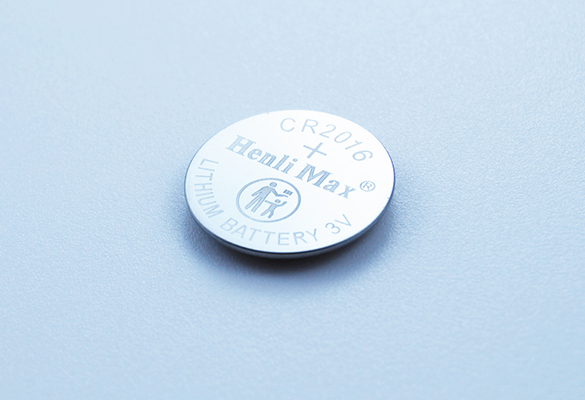
The CR2016 battery is a lithium manganese dioxide (Li-MnO₂) button-cell battery with a nominal voltage of 3.0V. Its name derives from its dimensions: "CR" indicates the lithium-based chemistry, "20" represents the diameter in millimeters (20mm), and "16" denotes the thickness in tenths of a millimeter (1.6mm). The battery typically has a capacity ranging from 75mAh to 90mAh, depending on the manufacturer and quality.
Key Features
1.Compact Size: The CR2016’s slim profile (1.6mm thickness) makes it ideal for space-constrained devices like car key fobs, calculators, and small remote controls.
2.Low Self-Discharge Rate: Lithium-based chemistry ensures minimal energy loss during storage, with some brands claiming a shelf life of up to 10 years.
3.Wide Temperature Tolerance: CR2016 batteries operate reliably in temperatures ranging from -20°C to 60°C, making them suitable for both cold climates and high-heat environments.
Common Applications
Car Key Fobs: Used in models from Toyota, Honda, and Volkswagen, where compact size is prioritized.
Wearable Devices: Fitness trackers and smartwatches with minimal power demands.
Medical Instruments: Glucose meters and thermometers requiring stable voltage output.
What Is a CR2025 Battery?
Technical Specifications
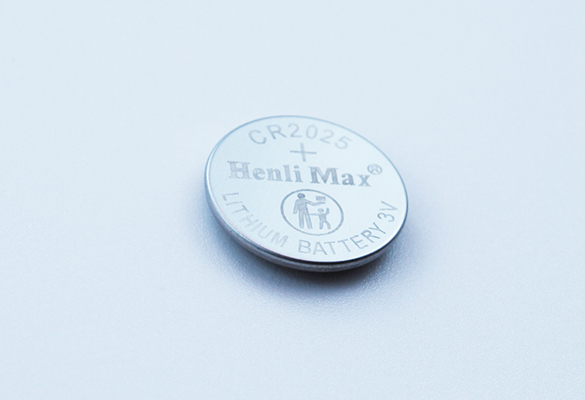
The CR2025 battery is also a lithium manganese dioxide button-cell battery with a nominal voltage of 3.0V. Its dimensions are 20mm in diameter and 2.5mm in thickness, yielding a capacity between 140mAh and 170mAh—nearly double that of the CR2016. This increased capacity translates to longer runtime in high-drain devices.
Key Features
1.Balanced Size and Capacity: The CR2025’s moderate thickness (2.5mm) strikes a balance between compactness and energy storage, making it versatile for mid-power applications.
2.High Energy Density: Lithium chemistry provides a high energy-to-weight ratio, ensuring efficient power delivery.
3.Leak-Resistant Design: Advanced manufacturing techniques, such as multi-layer sealing, reduce the risk of electrolyte leakage, enhancing safety and longevity.
Common Applications
Car Key Fobs: Used in models from Mercedes-Benz, BMW, and Audi, where extended battery life is critical.
Smart Home Devices: Wireless doorbells and security sensors requiring reliable long-term operation.
Consumer Electronics: Digital cameras and portable gaming consoles with moderate power consumption.
Are CR2016 Batteries the Same as CR2025?
Physical Differences
The most obvious distinction between CR2016 and CR2025 batteries lies in their thickness:
CR2016: 1.6mm thick.
CR2025: 2.5mm thick.
This 0.9mm difference may seem negligible, but it significantly impacts compatibility. Devices designed for CR2016 batteries may not accommodate the thicker CR2025, and vice versa. Attempting to force a mismatched battery into a device can damage the contacts or casing.
Capacity and Runtime
The CR2025’s larger volume allows it to store nearly twice the energy of the CR2016:
CR2016: 75–90mAh.
CR2025: 140–170mAh.
In practical terms, a CR2025 battery will last significantly longer in the same device. For example, a car key fob using a CR2016 might require replacement every 2–3 years, while a CR2025 could extend this interval to 5–8 years under ideal conditions.
Voltage and Performance
Both batteries share a nominal voltage of 3.0V, but their discharge profiles differ:
CR2016: Suitable for low-drain devices (e.g., simple remotes) where steady voltage is less critical.
CR2025: Better suited for devices with intermittent high-current demands (e.g., key fobs with proximity sensors), as it maintains voltage stability under load.
Cost and Availability
CR2016 batteries are generally cheaper due to their simpler design and widespread use in low-power devices. CR2025 batteries, while slightly more expensive, offer better value for applications requiring longer runtime. Both are readily available from major brands like Panasonic, Energizer, and Duracell.
CR2016 Battery vs. CR2025 Battery: Which Is Worth Choosing?
When to Choose CR2016
Space-Limited Devices: If your device’s battery compartment is too narrow for a CR2025, the CR2016 is the only viable option.
Low-Power Applications: For devices like simple calculators or basic remotes, the CR2016’s capacity is sufficient, and its lower cost is advantageous.
Short-Term Use: If you plan to replace the battery frequently (e.g., in a disposable device), the CR2016’s affordability makes it a practical choice.
When to Choose CR2025
High-Drain Devices: For car key fobs, smart locks, or medical devices requiring reliable long-term operation, the CR2025’s higher capacity ensures fewer replacements.
Cost-Effective Longevity: While initially more expensive, the CR2025’s extended lifespan reduces the total cost of ownership over time.
Environmental Considerations: Fewer battery replacements mean less waste, aligning with sustainability goals.
Expert Recommendations
Car Key Fobs: Opt for CR2025 batteries if your vehicle’s manual specifies compatibility or if you desire longer intervals between replacements. For example, Mercedes-Benz and BMW models often recommend CR2025 for their enhanced durability.
Medical Devices: Prioritize CR2025 batteries for critical instruments like glucose meters, where reliable performance is non-negotiable.
Consumer Electronics: Use CR2016 for low-power gadgets (e.g., LED keychains) and CR2025 for mid-power devices (e.g., wireless mice).
Looking For Reliable CR Series Button Battery Manufacturer?
Yufeng Battery operates under brand Henli Max, a national little giant factory specializing in full-range Li/MnO₂ CR Button Batteries. We develop high pulse discharge cells with -30℃~85℃ wide temperature performance, widely used in ESL, smart security, medical instruments and automotive electronics, full OEM & ODM customization available.
Conclusion
CR2016 and CR2025 batteries, while sharing a common lithium-based chemistry and nominal voltage, are distinct in their physical dimensions, capacity, and ideal use cases. The CR2016 battery excels in compact, low-power applications, offering affordability and widespread availability. In contrast, the CR2025 battery provides superior energy storage and longevity, making it the preferred choice for high-drain devices and scenarios demanding reliability.
When selecting between these two models, consider your device’s battery compartment size, power requirements, and usage frequency. For most modern car key fobs, smart home devices, and medical instruments, the CR2025 battery emerges as the superior option due to its balanced design and extended runtime. However, the CR2016 battery remains indispensable for space-constrained or low-power applications where cost and simplicity are paramount.
Ultimately, understanding the differences between CR2016 and CR2025 batteries empowers you to make informed decisions, ensuring optimal performance and minimizing environmental impact through reduced waste. Whether you prioritize compactness or endurance, there’s a lithium button-cell battery tailored to your needs.
FAQ
Q: What's the standard voltage and capacity of a CR2016 battery?
A: The standard voltage is 3V, and the typical capacity ranges from 80mAh to 90mAh, depending on the manufacturer.
Q: How long does a CR2016 battery last in a car key remote?
A: Lifespan varies based on usage, but it generally lasts 1–2 years. High-quality brands like Panasonic may extend this period.
Q: Can I use a CR2016 battery interchangeably with other button batteries?
A: No, CR2016 has a specific diameter (20mm) and thickness (1.6mm). Using incompatible sizes like CR2025 or CR1616 may cause device malfunctions.
Q: What’s the shelf life of an unopened CR2016 battery?
A: Most CR2016 batteries have a shelf life of 3–5 years when stored at room temperature in a dry environment, retaining over 90% of their capacity.
Q: Are CR2016 batteries safe for medical devices like glucose meters?
A: Yes, CR2016 batteries are widely used in medical devices due to their stable voltage, low leakage risk, and compliance with safety standards like RoHS.