



Can a cr2450 battery replace a cr2032 battery
In the realm of consumer electronics, button batteries power countless devices—from car key fobs and smartwatches to medical sensors and IoT gadgets. Among these, CR2032 and CR2450 batteries are two of the most common lithium coin cell types. However, a recurring question arises: Can a CR2450 battery replace a CR2032 battery? This article delves into the technical specifications, compatibility factors, and practical considerations of these batteries to provide a definitive answer. By analyzing their physical dimensions, electrical properties, and real-world applications, we aim to clarify whether substitution is feasible and, if so, under what conditions.
What Is a CR2450 Battery?
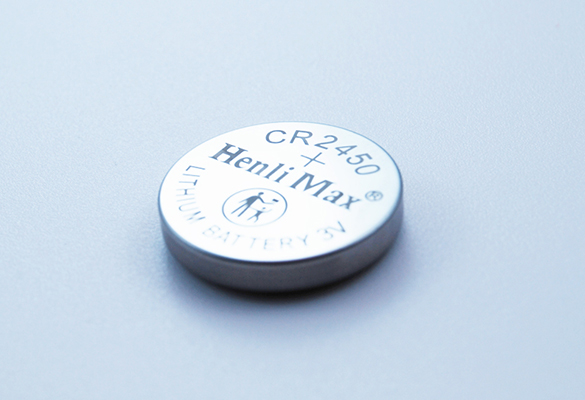
The CR2450 is a lithium manganese dioxide (Li-MnO₂) coin cell battery with a nominal voltage of 3V. Its name derives from its dimensions: 24.5mm in diameter and 5.0mm in thickness, making it one of the larger button batteries in the CR series. With a capacity ranging from 600mAh to 620mAh, it offers significantly higher energy storage compared to smaller counterparts. This robust capacity enables it to power devices requiring sustained energy output, such as car key fobs with remote start features, wireless security sensors, and medical devices like ear thermometers.
A notable example is its use in Panasonic CR2450 batteries, which are engineered to operate in extreme temperatures (-30°C to +60°C) while maintaining stable voltage. Medical engineers often choose CR2450 for devices like blood glucose meters, where longevity reduces replacement frequency. Similarly, automotive manufacturers integrate CR2450 into key fobs for high-end vehicles, such as BMW and Mercedes-Benz models, to support bidirectional communication and real-time feedback systems.
What Is a CR2032 Battery?
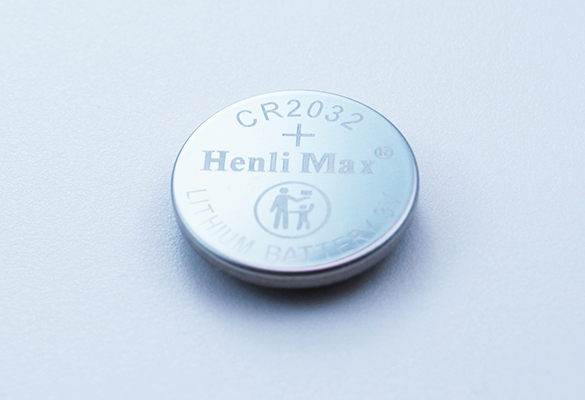
The CR2032, another Li-MnO₂ coin cell, is the most ubiquitous button battery globally. Its name indicates a 20mm diameter and 3.2mm thickness, with a nominal voltage of 3V and a capacity of 220mAh to 240mAh. This smaller size makes it ideal for compact devices with limited internal space, such as traditional car key fobs, smartwatches, fitness trackers, and LED flashlights.
For instance, Nanfu CR2032 batteries are widely adopted in automotive applications due to their cost-effectiveness and compatibility with key designs from brands like Audi, Toyota, and Honda. These batteries use graphene-enhanced technology to improve energy density and prevent leakage, ensuring reliable performance even in low-usage scenarios. Similarly, Panasonic CR2032 batteries are praised for their longevity under extreme temperatures, making them suitable for outdoor devices like GPS trackers.
Can a CR2450 Battery Replace a CR2032 Battery?
The answer hinges on three critical factors: physical compatibility, electrical requirements, and device design constraints.
1.Physical Compatibility
CR2450 batteries are 20% wider and 56% thicker than CR2032 batteries. This size difference means CR2450 cannot fit into battery compartments designed for CR2032 without modification. For example, a car key fob engineered for CR2032 will have a slot that precisely accommodates its dimensions. Inserting a CR2450 would require enlarging the slot or using spacers, which may damage the device or compromise its waterproofing.
However, in reverse scenarios—where a device is designed for CR2450 but a CR2032 is temporarily used—the smaller battery may fit but fail to make proper electrical contact due to insufficient pressure on the terminals. This can lead to intermittent functionality or complete failure.
2.Electrical Requirements
Both batteries share the same nominal voltage (3V), ensuring compatibility in terms of electrical output. However, their capacity differences affect runtime. A CR2450’s 600mAh capacity can power a high-drain device like a two-way car key fob (which sends and receives signals) for up to 3 years, while a CR2032 might last 1–2 years under the same conditions. Conversely, low-drain devices, such as simple remote locks, may not fully utilize the CR2450’s capacity, making it an overengineered solution.
3.Device Design Constraints
Modern devices are optimized for specific battery types. For instance, a smart key fob with passive entry features may rely on the CR2450’s higher capacity to maintain a stable signal over long distances. Substituting a CR2032 could reduce range or cause malfunctions. Similarly, medical devices like insulin pumps are calibrated to draw precise currents from their batteries; using an incompatible type might trigger safety alarms or disrupt functionality.
Which Is More Worth Choosing: CR2450 or CR2032?
The choice depends on the device’s energy demands and physical constraints:
Choose CR2450 for:
High-drain devices requiring long runtime (e.g., two-way car key fobs, security sensors).
Devices with ample space for larger batteries (e.g., luxury vehicles, industrial equipment).
Extreme temperature environments (e.g., outdoor IoT devices in cold climates).
Choose CR2032 for:
Compact devices with strict size limitations (e.g., traditional car keys, smartwatches).
Low-drain applications where cost and availability are priorities (e.g., LED flashlights, calculators).
Devices requiring frequent battery replacements (e.g., fitness trackers with user-replaceable batteries).
For example, a 2025 Toyota Camry key fob using a CR2032 might prioritize affordability and widespread availability, while a Tesla Model S’s passive entry system would opt for CR2450 to support its energy-intensive features.
Looking For Reliable CR Series Button Battery Manufacturer?
Yufeng Battery operates under brand Henli Max, a national little giant factory specializing in full-range Li/MnO₂ CR Button Batteries. We develop high pulse discharge cells with -30℃~85℃ wide temperature performance, widely used in ESL, smart security, medical instruments and automotive electronics, full OEM & ODM customization available.
Conclusion
While a CR2450 battery cannot physically replace a CR2032 battery in most cases due to size mismatches, there are niche scenarios where substitution is technically possible but impractical. The CR2450’s superior capacity and durability make it ideal for high-performance applications, whereas the CR2032 remains the go-to choice for compact, low-drain devices. Ultimately, the decision hinges on aligning the battery’s specifications with the device’s design and energy needs. By understanding these factors, users can ensure optimal performance and avoid costly mistakes when selecting between CR2450 and CR2032 batteries.