Is CR2354 the same as CR2032
No, a CR2354 and a CR2032 are not the same battery, and you cannot swap one for the other.
Both are 3V lithium coin cells. They share the same flat, round shape, so they look alike at a glance. That visual similarity explains why so many people mix them up.
You may hold a CR2354 battery next to a CR2032 and wonder whether the difference matters. It does. The two cells differ in size, power, and the devices they serve. Check the model number on your device before you buy a replacement.
Key Takeaways
CR2354 and CR2032 batteries are not the same and cannot be swapped.
CR2354 is larger and holds more than twice the charge of CR2032.
Adapters may not work reliably due to height and contact issues.
Choose the battery that matches your device's model number for a proper fit.
CR2354 suits high-drain devices, while CR2032 fits compact gadgets.
CR2354 Battery vs CR2032: Key Differences
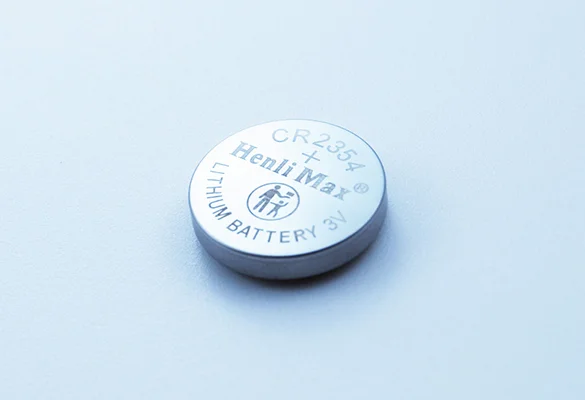
Side-by-Side Specs
Both cells belong to the same family. Each one is a 3V lithium manganese dioxide (Li/MnO2) coin cell. That shared chemistry gives them a stable nominal voltage and a similar discharge profile. The real split shows up in the numbers.
Spec | CR2354 | CR2032 |
|---|---|---|
Nominal voltage | 3V | 3V |
Chemistry | Li/MnO2 | Li/MnO2 |
Typical capacity | About 560 mAh | Roughly 210–230 mAh |
Diameter | About 23 mm | About 20 mm |
Thickness | About 5.4 mm | About 3.2 mm |
The capacity gap stands out first. A CR2354 battery stores more than twice the charge of a CR2032. You get that extra energy from a larger can. The CR2354 is wider and thicker, and it holds more active material inside. Think of the CR2032 as a compact cell built for tight spaces. Think of the CR2354 as a larger cell built for longer service between changes. Each design serves a purpose, and neither one is better in every situation.
Are They Interchangeable?
No. You cannot drop a CR2354 into a CR2032 compartment and expect a clean fit. The diameter difference alone stops it. A 23 mm cell will not sit inside a 20 mm holder. The extra thickness adds a second problem. The battery compartment door may not close, and the contact spring may not reach the terminal.
An adapter does exist. It is a small ring or cradle that lets you seat a CR2354 into a CR2032 slot. The adapter solves the width problem on paper. Real devices often behave differently. Contact pressure can drop when the cell sits higher in the holder. The added height can stress the compartment latch. Some adapters hold the cell loosely, and a loose cell means intermittent power. Treat the adapter as a workaround, not a substitute for the correct cell.
The reverse swap fails too. A CR2032 in a CR2354 slot leaves a gap around the rim. The cell can shift sideways and lose contact. The lower capacity also drains faster in a device that expects the larger cell.
Your safest path is simple. Match the model number printed on the old cell or in the device manual. A CR2354 battery suits devices that draw steady current over long stretches. A CR2032 suits compact gadgets with light power needs. Choose the cell your device was built around, and you get the fit, the contact, and the runtime the designer intended.
Size and Dimensions
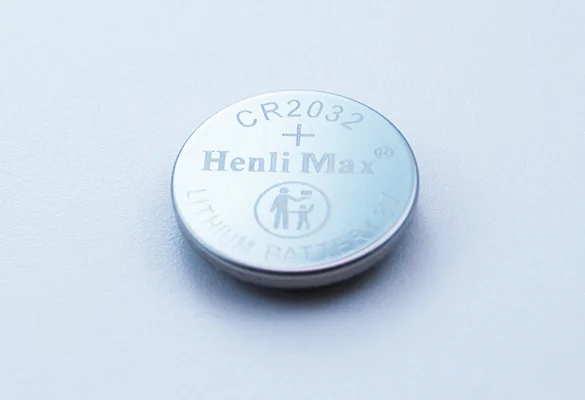
Diameter and Thickness
The four-digit code on every coin cell tells you its physical size. The first two digits give the diameter in millimeters. The last two digits give the thickness in tenths of a millimeter. This naming rule comes from the IEC 60086 standard for primary batteries.
A CR2032 measures about 20 mm across and 3.2 mm thick. A CR2354 battery measures about 23 mm across and 5.4 mm thick. The table below puts the numbers side by side.
Dimension | CR2354 | CR2032 |
|---|---|---|
Diameter | About 23 mm | About 20 mm |
Thickness | About 5.4 mm | About 3.2 mm |
Decode the code and the numbers make sense. "20" means 20 mm wide. "32" means 3.2 mm thick. "23" means 23 mm wide. "54" means 5.4 mm thick. You can read any CR-series cell this way. The rule works for a CR2016, a CR2450, and every other size in the family.
The diameter gap between these two cells is 3 mm. The thickness gap is 2.2 mm. Those gaps look small on a ruler. They matter a great deal inside a battery compartment. A holder built for a 20 mm cell has a wall that sits tight against the rim. A 23 mm cell simply will not pass that wall. The extra 2.2 mm of height pushes the cell above the rim of the holder. The compartment door then has to close over a taller stack. A cell that sits proud of the holder can press against the door hinge and crack the plastic.
Grab a ruler or a caliper if you want to check a compartment yourself. Measure the round opening across its widest point. Measure the depth from the floor of the holder to the closed door. A caliper gives a cleaner reading than a ruler for the thickness. Compare both numbers to the table. A 20 mm opening with about 3.2 mm of depth takes a CR2032. A 23 mm opening with about 5.4 mm of depth takes a CR2354.
Fitting a CR2354 in a CR2032 Slot
The two cells do not share the same diameter. A CR2354 is wider and thicker than a CR2032. It will not seat properly in a CR2032 compartment without an adapter.
Try the swap and you meet the first obstacle at once. The cell rests on top of the holder instead of dropping into it. The compartment door will not latch. The positive terminal may not touch the contact. Even a forced fit leaves the cell sitting too high. The spring contact cannot press down on the terminal with the right force. Weak contact pressure raises resistance, and resistance wastes power.
An adapter ring can bridge the width gap. The ring centers the smaller-diameter cell inside the larger opening. It does not solve the height problem. The CR2354 still stands 2.2 mm taller than the space allows. The ring itself adds a little thickness to the stack. That extra height makes the door problem worse, not better. Some device doors close with a slight bulge. Others refuse to close at all. A cell that sits loose inside the ring can shift and break contact. Intermittent power can reset a watch or wipe a memory backup. The adapter helps in a pinch, but it is a workaround, not a clean fit.
Check the compartment before you buy. Read the model number stamped on the old cell. Measure the opening if the label is worn. The device manual lists the exact model number in the specifications section. The battery compartment label often shows it too. A 20 mm opening takes a CR2032. A 23 mm opening takes a CR2354 battery. Match the cell to the compartment, and the door closes, the contact presses, and the device runs as designed.
Voltage and Capacity
Same 3V, Different Runtime
Both cells carry a nominal 3V label. Your device sees the same starting voltage from either one. The difference shows up after the first hour of use. A CR2354 battery holds about 560 mAh of charge. A CR2032 holds roughly 210–230 mAh. That gap means the larger cell runs more than twice as long under the same load.
Picture a device that draws a steady current. The CR2032 empties first. The CR2354 keeps going long after the smaller cell gives out. You change batteries less often. You also face fewer interruptions in devices that must stay on. A remote control may run for years on either cell. A continuous-use sensor or a memory backup circuit feels the gap far more.
Voltage stays flat across most of the discharge curve for both cells. Lithium manganese dioxide chemistry holds a steady plateau. The output then drops near the end of life. Your device gets full power for most of the run. It then warns you or shuts down as the cell nears empty.
Discharge and Shelf Life
Lithium coin cells share several strengths. They self-discharge slowly, so a stored cell keeps most of its charge. They work across a wide temperature range. They also hold up well on a shelf for years. These traits apply to the CR2032 and the CR2354 alike.
The CR2354 pulls ahead in high-drain and continuous-use devices. Its larger can holds more active material. That reserve supports a steadier discharge under a heavy load. A small cell pushed hard heats up and loses efficiency. The larger cell handles the same demand with less strain. Devices that run nonstop or draw bursts of current benefit most from the extra capacity.
Store either cell in a cool, dry place. Keep it in its original packaging until you need it. Check the date code on the pack before you install a cell. A fresh cell gives you the full runtime the label promises.
Device Fit and Cost
Devices That Use a CR2354 Battery
You will find the CR2354 battery in remote controls, key fobs, medical devices, watches, calculators, and memory backup systems. These devices often run for long stretches or draw steady current. The larger cell gives them the reserve they need. A key fob that transmits often, or a backup circuit that must hold data for years, fits the CR2354 profile well.
The CR2032 serves a different crowd. You will spot it in small electronics, computer motherboards, and compact remotes. These devices have tight compartments and light power demands. Each cell suits its own niche, and the device designer picked one for a reason.
Price and Availability
The CR2032 wins on shelf presence. You can find it in most grocery stores, pharmacies, and electronics shops. It also costs less per unit. The CR2354 costs more and shows up in fewer stores, so you may need to order it online or visit a specialist supplier.
Look past the sticker price. A CR2354 battery lasts more than twice as long in the same load. In a high-drain device, one larger cell can replace two or three smaller ones. That math can favor the CR2354 over the life of the device. In a light-drain gadget, the cheaper CR2032 makes more sense.
Check the device label or manual before you buy. The exact model number removes all doubt. Buy the cell your device specifies, and you get a clean fit and reliable runtime.
A CR2354 and a CR2032 are two different batteries. You should not swap one for the other. The CR2354 battery measures about 23 mm across and 5.4 mm thick, while the CR2032 measures about 20 mm across and 3.2 mm thick. The larger cell also stores far more charge, roughly 560 mAh against 210–230 mAh. That extra size and capacity suits remote controls, key fobs, and memory backup systems. The smaller cell fits compact electronics and motherboards.
Check your device manual or the label inside the battery compartment for the exact model number. Buy the cell your device specifies. The correct battery gives you a clean fit, steady contact, and reliable, long-lasting performance.
FAQ
Can I use a CR2032 instead of a CR2354?
No. A CR2032 is narrower and thinner than a CR2354, so it sits loose in a CR2354 holder. The smaller cell also holds far less charge, roughly 210–230 mAh against about 560 mAh. Your device will lose contact or drain faster. Match the model number on the old cell.
Does a CR2354 to CR2032 adapter work reliably?
An adapter ring can center a CR2354 in a CR2032 slot. It does not fix the height gap. The CR2354 stands about 2.2 mm taller, so the compartment door may not close. Contact pressure can also drop. Treat the adapter as a temporary workaround, not a permanent fix.
Why does a CR2354 last longer than a CR2032?
Both cells deliver 3V from lithium manganese dioxide chemistry. The CR2354 simply stores more charge, about 560 mAh versus roughly 210–230 mAh. That reserve supports longer runtime under the same load. High-drain and continuous-use devices feel the difference most.
How do I know which coin cell my device needs?
Read the model number printed on the old cell. Check the battery compartment label or the specifications section of the manual. You can also measure the round opening. A 20 mm opening takes a CR2032. A 23 mm opening takes a CR2354 battery.
Do CR2354 and CR2032 batteries share the same shelf life?
Both cells self-discharge slowly and hold up well in storage. Lithium chemistry gives each one a wide operating temperature range and years of shelf life. Store either cell in a cool, dry place inside its original packaging. Check the date code before you install one.