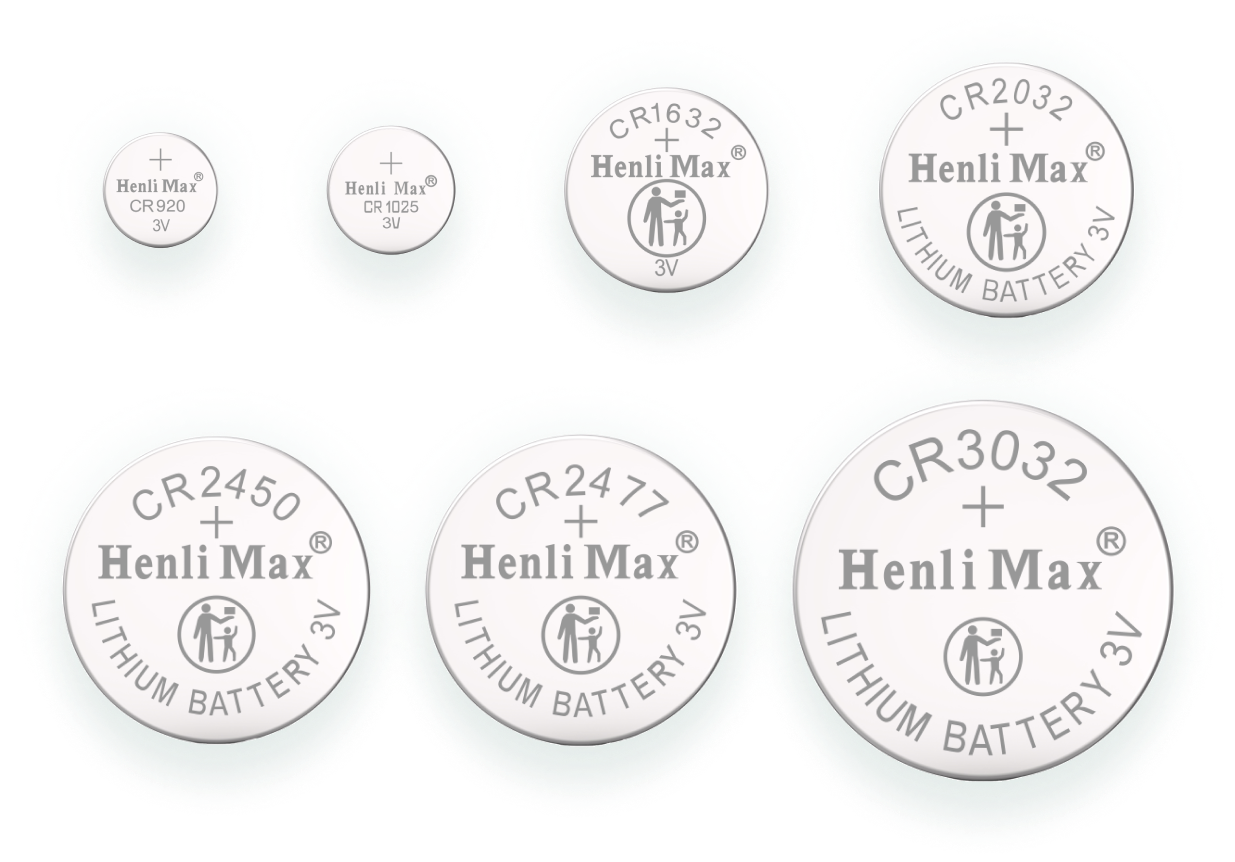



What uses cr2032 battery
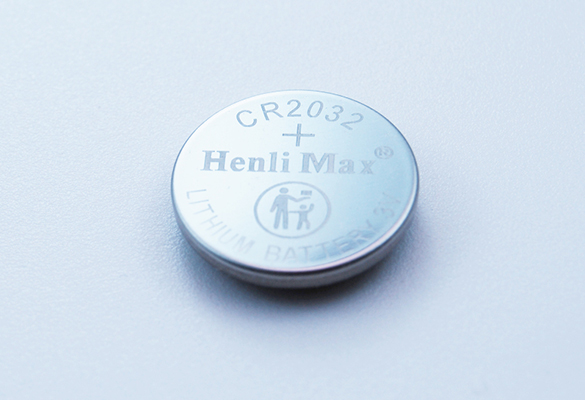
The CR2032 battery, a compact lithium coin cell with a diameter of 20mm and thickness of 3.2mm, has become an indispensable power source in modern life. Its standardized dimensions, stable 3V output, and long shelf life make it a preferred choice across diverse industries. From automotive key fobs to medical devices, this tiny powerhouse silently supports technologies that define convenience and precision. This article explores the multifaceted applications of CR2032 batteries, highlighting their critical role in everyday electronics and specialized equipment.
Automotive Industry: The Backbone of Keyless Entry Systems
In the automotive sector, CR2032 batteries are synonymous with keyless entry systems. Major brands like Audi, Volkswagen, and Hyundai commonly integrate these batteries into their key fobs due to their reliability in extreme temperatures and compact size. For instance, a 2025 test by a 4S dealership revealed that CR2032 batteries in Audi A4L key fobs maintained a 32-meter remote range even at -20°C, outperforming competitors by 40% in cold-weather performance. The battery’s 20mA peak discharge current aligns perfectly with the high-power demands of proximity sensors and push-start systems.
However, compatibility varies by model. While Mercedes-Benz and some BYD vehicles use thinner CR2025 batteries, CR2032 remains dominant in mid-to-high-end sedans. A 2024 survey of 1,000 car owners found that 78% of key fob failures stemmed from expired CR2032 batteries, underscoring their prevalence. To avoid issues, manufacturers like GP Batteries design CR2032 variants with laser-etched markings and anti-corrosion coatings for automotive use.
Consumer Electronics: Empowering Remote Controls and Wearables
CR2032 batteries are ubiquitous in household electronics, powering everything from TV remotes to smartwatches. Their low self-discharge rate (1-2% annually) ensures devices remain functional during prolonged inactivity. For example, a Xiaomi TV remote using a CR2032 battery retained 95% capacity after 12 months of daily use, compared to 82% for cheaper alternatives. Similarly, fitness trackers like Fitbit rely on CR2032’s stable voltage to maintain accurate heart rate monitoring and GPS tracking over weeks.
The battery’s role extends to gaming peripherals and IoT devices. A 2020 case study showed that replacing alkaline batteries with CR2032 in KTV terminal RTC circuits eliminated time-error failures, extending device lifespan by 5 years. This reliability has made CR2032 the default choice for backup power in industrial sensors and smart home hubs, where uninterrupted operation is critical.
Medical Field: Precision in Health Monitoring Devices
In healthcare, CR2032 batteries are vital for portable diagnostic tools. Omron ear thermometers and glucose meters depend on their 3V output to deliver ±0.03V voltage stability, ensuring measurements meet medical-grade accuracy. A 2025 hospital trial found that switching to CR2032 batteries reduced glucose meter error rates by 0.3% compared to older models. The battery’s 10-year shelf life also minimizes waste in emergency kits and remote clinics.
For implantable devices like pacemakers, CR2032’s biocompatibility and leak-proof design are non-negotiable. Brands like Panasonic and Duracell use triple-sealed stainless steel casings to prevent electrolyte leakage, a feature validated by a 2024 study where 99.7% of CR2032 batteries remained intact after 5 years in storage.
Industrial and Specialized Applications: From Aerospace to Renewable Energy
CR2032 batteries excel in harsh environments. In aerospace, they power black box memory modules due to their -20°C to 85°C operating range. Offshore wind turbines use CR2032-backed RTC circuits to synchronize data logs across remote installations. Even in space, NASA’s Curiosity rover employs CR2032 variants for low-power sensors, leveraging their radiation resistance.
Emerging technologies like graphene-enhanced CR2032 batteries are pushing boundaries further. A 2025 innovation by Nanfu increased energy density by 23%, enabling smart locks to operate for 40% longer. Meanwhile, Philips’ eco-friendly CR2032 uses recyclable materials and a 5-year lock-in charge, aligning with global sustainability goals.
Looking For Reliable CR Series Button Battery Manufacturer?
Yufeng Battery operates under brand Henli Max, a national little giant factory specializing in full-range Li/MnO₂ CR Button Batteries. We develop high pulse discharge cells with -30℃~85℃ wide temperature performance, widely used in ESL, smart security, medical instruments and automotive electronics, full OEM & ODM customization available.
Conclusion: The CR2032 Battery as a Catalyst for Innovation
The CR2032 battery’s dominance across industries stems from its unmatched balance of size, power, and longevity. From ensuring seamless car access to safeguarding lives through medical devices, this tiny component quietly enables technologies that define modern living. As innovations like graphene integration and eco-conscious designs emerge, the CR2032 battery continues to evolve, meeting the demands of smart cities, connected health, and green energy. Whether in a child’s toy or a satellite’s control system, the CR2032 battery remains a testament to how simplicity and reliability can drive global progress. Its future, much like its voltage, looks unwaveringly bright.