



How to choose the right CR2025 battery for your electronic device
Pick the right CR2025 battery with a simple three-step process. First, look at your device manual or the battery compartment label for the exact model number. Second, verify the battery matches CR2025 dimensions and 3-volt voltage. Third, buy from a trusted brand. Do not rely on visual matching alone. These coin cells look similar to CR2032 or CR2016 sizes. A wrong choice can damage your device. This guide gives you a reliable method. Follow it in a store or online. You will get the correct battery every time. The CR2025 battery must fit snugly and supply proper power.
Key Takeaways
Check your device manual or the old battery label for the exact model number.
Confirm the CR2025 battery has 3.0 volts, 20 mm diameter, and 2.5 mm thickness.
Buy from trusted brands with certifications to avoid counterfeits and leaks.
Match the battery to your device's power needs and temperature range.
Follow these steps to protect your device and save money.
Identify Your Device's Needs
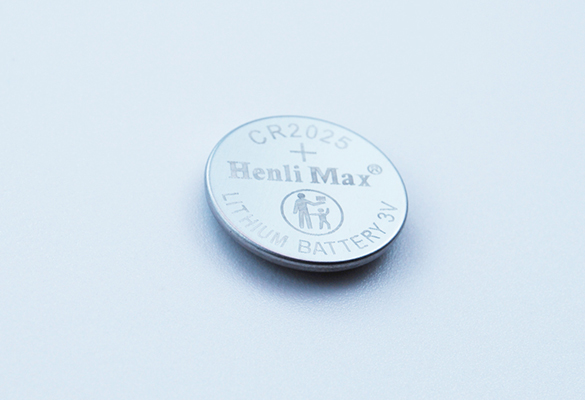
Check the Manual or Compartment
Your device manual is the most reliable source for the required battery model. Manufacturers print the exact specification there. Look for a section called "Specifications," "Power," or "Battery Replacement." If you cannot find the manual, open the battery compartment. Many devices print the required battery type right inside the compartment door or on the plastic nearby. This label often reads "CR2025" or shows a small diagram.
You should always verify the voltage your device needs before buying a replacement. This information usually appears on the old battery or in the manual. A CR2025 battery delivers 3 volts. Some devices require a different voltage. Using the wrong one can cause malfunctions or damage.
Common devices that use this cell include wristwatches, calculators, remote controls, key fobs, glucose monitors, and thermometers. These devices have low power demands. They work well with the CR2025 size. If your device appears on this list, the CR2025 is likely the correct choice. Still, you should confirm with the manual or compartment label.
Although LR44 and 357 batteries can sometimes be swapped temporarily, long-term substitution may cause voltage instability and leakage. The recommended practice is to use the battery type specified in the original device manual.
Read the Old Battery's Label
The simplest approach is to read the model number printed directly on the battery you are replacing. Record it and purchase an identical replacement. The label usually shows the model number, voltage, and sometimes a brand-specific code.
You can decode the battery code to understand its specs. The letter-number combination reveals key details. The prefix indicates chemistry and voltage. The first two digits give the diameter in millimeters. The last two digits give the thickness in millimeters. For example, CR2032 means 20 mm diameter and 3.2 mm thickness. A CR2025 battery follows the same pattern: 20 mm diameter and 2.5 mm thickness.
Different brands use their own codes for the same cell. Duracell calls it DL2025. Energizer uses ECR2025. Kodak uses KCR2025. Seiko uses SB-T14. You may also see generic codes like 5003LC, 208-205, L12, or LM2025. All these codes refer to the same battery type. They share the same chemistry and dimensions.
The nominal voltage of a CR2025 battery is 3.0 V. For the manufacturing date code, most makers print an expiry date on the pack or cell. Some use a manufacturing code instead. For example, "2406" means June 2024. If you see no visible date, treat about five years from purchase as a conservative shelf-life estimate. Buy from sellers with high stock turnover.
If the old battery is unavailable, measure it as a last resort. Lay the battery flat and measure edge to edge for diameter. Stand it upright and measure its height for thickness. Use a simple ruler. This method works when no label is visible.
Understand the CR2025 Battery Specs
Size, Voltage, and Capacity
You need to know the core numbers before you buy any coin cell. The CR2025 battery delivers a nominal voltage of 3.0 volts. A fresh cell reads 3.6 to 3.7 volts on a multimeter with no load. The cut-off voltage sits near 2.0 volts. Typical capacity ranges from 150 to 170 mAh. That rating assumes a 15 kΩ load at 21 °C. The maximum continuous drain is 0.19 mA. The cell measures 20 mm across and 2.5 mm thick. It weighs about 2.4 to 2.6 grams.
Parameter | CR2025 Specification |
|---|---|
Nominal Voltage | 3.0 V |
Open-Circuit Voltage (new) | 3.6–3.7 V |
Cut-off Voltage | ~2.0 V |
Typical Capacity | 150–170 mAh |
Max Continuous Drain | 0.19 mA |
Operating Temperature | −30 °C to +60 °C |
Dimensions | 20 mm × 2.5 mm |
Weight | 2.4–2.6 g |
Chemistry | Li-MnO₂ |
The CR2025 is thinner than the CR2032. Both share the same 20 mm diameter. The CR2032 measures 3.2 mm thick. That extra 0.7 mm changes everything. A CR2032 may not fit a compartment designed for a CR2025. A CR2025 may sit loosely in a CR2032 slot. The CR2032 also offers higher capacity at around 220 mAh and a higher max pulse current of 30 mA. The CR2025 tops out at 20 mA pulse. Substituting one for the other can reduce runtime or fail to support higher-power loads. Devices are designed around a specific thickness and capacity. Using the wrong model causes poor contact, unreliable operation, or shortened service life. These two cells are not interchangeable in most devices.
Chemistry and Shelf Life
The CR2025 uses lithium manganese dioxide chemistry. This is a primary cell. You cannot recharge it. The Li-MnO₂ system provides a stable discharge curve and dependable performance across a broad temperature range. The operating temperature spans from −30 °C to +60 °C. That range covers most household and outdoor conditions.
Self-discharge stays below 1% per year at room temperature. This low rate means the cell retains most of its power while sitting unused. Shelf life reaches up to 10 years under controlled storage. For best capacity retention, store cells between +10 °C and +25 °C. Keep them in original packaging away from heat and moisture.
Henlimax is a manufacturer of Li/MnO₂ CR Series button batteries, including the CR2025 model. The company focuses on stable voltage output and leak-resistant construction. Their CR2025 battery meets international standards for safety and performance. This matters when you rely on a cell for a medical device or a security fob. A quality cell holds its voltage and avoids leaks that could damage your device.
Evaluate Battery Quality and Brand
Spot Fakes and Check Dates
You must buy from reputable brands and authorized sellers. This step protects you from counterfeits. Fake CR2025 batteries often perform poorly. They may start below 3.0V out of the package. Some drop below usable voltage in under a year, especially in hot climates. Low-grade lithium and weak seals cause leaking or swelling. High heat accelerates self-discharge in cheap cells.
Compare branded and generic batteries. The table below shows key differences.
Battery Type | Discharge Performance | Leakage / Swelling Risk |
|---|---|---|
Panasonic CR2025 (branded) | Lasts 2–3× longer than cheap no-name cells in daily-use key fobs; holds closer to rated capacity over time | Not flagged as a leakage concern |
Murata CR2025 (branded, formerly Sony) | Very stable in cold weather; very low self-discharge, ideal for spare keys | Not flagged as a leakage concern |
No-name / counterfeit CR2025 (generic) | May start below 3.0V out of the package; some drop below usable voltage in under a year, especially in hot climates | Low-grade lithium and weak seals cause leaking or venting under heat; generics swell, leak, or die early after repeated 120°F+ cabin temps |
Check the expiration date on the packaging. Most makers print an expiry date on the pack or cell. Buy from sellers with high stock turnover. Look for signs of authenticity. Genuine packaging has clear printing and tight seals. Counterfeit packs often show blurry text or uneven edges. Taking a few seconds to inspect the package saves you from device damage later.
Why Reputable Brands Matter
Reputable brands follow strict quality standards. They hold certifications that prove their safety and reliability. These certifications include UL, EN, UN 38.3, CE, FCC, IEC, IP67, ECE R136, RoHS, and REACH. Each certification serves a purpose.
Battery certifications like UL, UN, and CE are a passport to entering global markets with confidence. Compliance isn't just about passing a test, it's about ensuring long-term safety, reducing risks, and building customer trust.
Certified batteries prevent fire, explosion, and electrical hazards. Many countries require certified batteries before import or sale. Certified products also reduce legal risks and warranty claims. They attract more buyers and OEM partners.
Henlimax is one example of a quality-focused manufacturer. They comply with international standards. Their CR2025 battery offers leak-resistant construction. This matters when you use the battery in a medical device or key fob. A leak can ruin your device. Henlimax's focus on research and development ensures stable voltage and long shelf life. You get a dependable energy solution.
Choosing a reputable brand protects your investment. You avoid the risks of generic cells. Your device runs reliably for longer. A quality CR2025 battery holds its voltage and resists damage.
Match the Battery to Your Device
High-Drain vs. Low-Drain Use
Devices draw power at different rates. A low-drain device sips electricity slowly over months or years. Wristwatches, calculators, and thermometers fall into this group. They need a steady trickle of power. A high-drain device pulls current quickly. Digital cameras, some remote controls, and certain medical monitors demand more burst energy. This difference matters when you pick a battery.
The CR2025 battery works best in low-drain applications. Its maximum continuous drain sits at 0.19 mA. That limit suits everyday electronics fine. For ordinary low-power daily equipment, this cell offers good cost performance. You get reliable service without paying for capacity you cannot use. A high-drain device may drain the cell faster than expected. Check your device manual for current requirements. If your device needs high pulse current, consider whether the CR2025 fits its design.
Temperature and Storage Needs
Temperature affects battery performance. The CR2025 operates from −30 °C to +60 °C. That range covers most indoor and outdoor use. Extreme cold slows chemical reactions inside the cell. Capacity drops. Extreme heat speeds self-discharge and can damage the seal. Store spare cells between +10 °C and +25 °C for best shelf life.
Some applications demand performance in harsh cold. Outdoor sensors, automotive key fobs in winter climates, and industrial equipment face freezing conditions. Henlimax offers low-temperature LT Series versions for these specialized needs. These cells maintain voltage better when temperatures drop below freezing.
Always confirm the required voltage before buying. A CR2025 delivers 3.0 volts. Some devices need a different voltage. Using the wrong cell can cause malfunctions or damage.
Match the battery to your device's drain pattern and temperature environment. This step protects performance and extends service life.
You now have a clear method for choosing the right power cell. Start with your device manual or the old battery label. Confirm the CR2025 battery specs: 3.0 volts, 20 mm diameter, and 2.5 mm thickness. Pick a trusted brand with valid certifications. Match the cell to your device's drain rate and temperature range. This process protects your device from leaks and poor contact. It also saves you money. You avoid buying the wrong cell twice. A quality battery lasts longer and performs better. Walk into any store or shop online with confidence. You know exactly what to look for.
FAQ
Can I use a CR2032 instead of a CR2025?
No. The CR2032 measures 3.2 mm thick. The CR2025 measures 2.5 mm thick. That extra 0.7 mm may prevent the battery from fitting. The CR2032 also offers higher capacity. Your device was designed for a specific thickness and capacity. Using the wrong cell causes poor contact or unreliable operation.
How long does a CR2025 battery last?
Shelf life reaches up to 10 years under controlled storage. Self-discharge stays below 1% per year at room temperature. In use, runtime depends on your device. A wristwatch may run for years. A key fob with frequent use may need replacement sooner.
What do DL2025 and ECR2025 mean?
These are brand-specific codes for the same battery type. Duracell uses DL2025. Energizer uses ECR2025. Kodak uses KCR2025. All these codes refer to the CR2025 cell. They share the same 3.0-volt chemistry and 20 mm × 2.5 mm dimensions.
How do I spot a counterfeit CR2025 battery?
Check the expiration date on the packaging. Genuine packs have clear printing and tight seals. Counterfeit packs often show blurry text or uneven edges. Buy from authorized sellers with high stock turnover. Fake cells may start below 3.0 volts or leak under heat.
Does temperature affect CR2025 performance?
Yes. The CR2025 operates from −30 °C to +60 °C. Extreme cold slows chemical reactions and reduces capacity. Extreme heat speeds self-discharge and can damage the seal. Store spare cells between +10 °C and +25 °C. For harsh cold, Henlimax offers low-temperature LT Series versions.